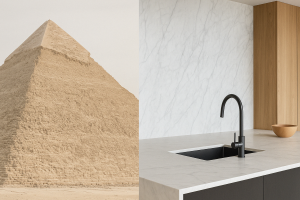

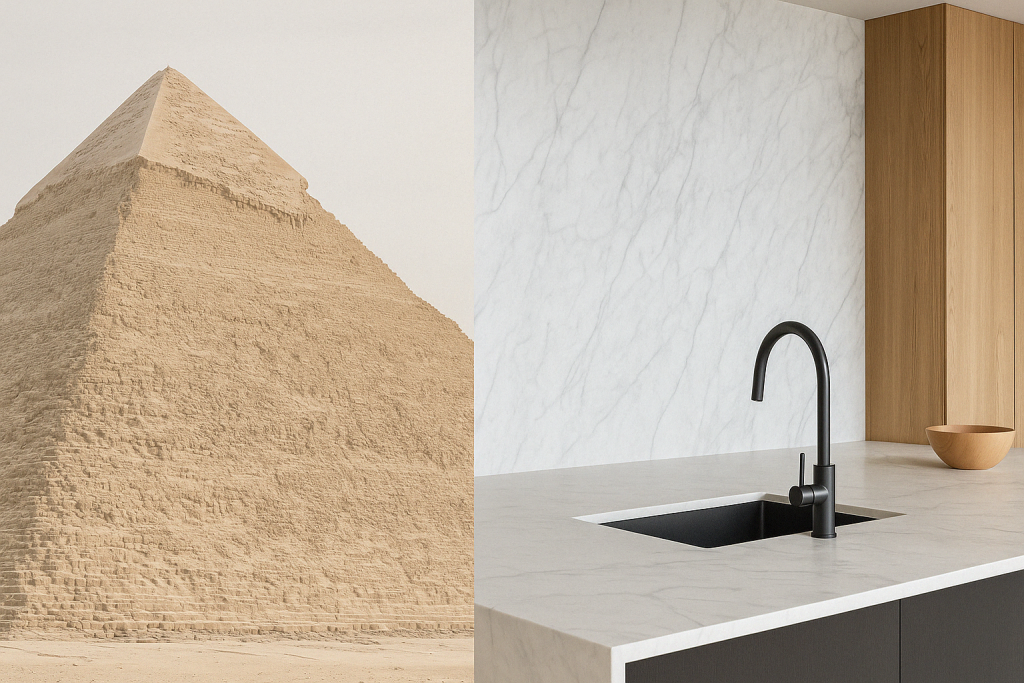
Natural stone has been a strong and popular material in design, from ancient buildings to modern interiors. For thousands of years, this eco-friendly material has amazed architects, designers, and homeowners. It has been used in everything from the great Egyptian pyramids to modern kitchen countertops.So, why is natural stone still a top choice in today’s interiors, despite the rise of synthetic alternatives? What makes it both a trending design material and a sustainable solution for residential and commercial spaces?
In this article, explore the unique qualities that have allowed natural stone to stand the test of time. Discover why it continues to lead the way as a luxury, eco-conscious, and timeless interior design material.
1. Ancient Legacy: Stone Through Civilizations
Natural stone is the world’s oldest building material, trusted by civilizations across millennia for its strength, beauty, and resilience. From the Egyptian pyramids and Greek temples to Roman amphitheaters and Gothic cathedrals, natural stone has shaped some of the most iconic architectural landmarks in human history.
Every major civilization leveraged its local mineral resources: Michelangelo sculpted masterpieces from Carrara marble, the pyramids were built using Egyptian limestone, and Roman columns were carved from solid granite. These structures—still standing centuries later—are living proof of the exceptional durability and timeless appeal of natural stone.
Today, organizations like the USGS (United States Geological Survey) continue to highlight the architectural significance of stone in government buildings and monuments, where it remains a symbol of strength, prestige, and enduring quality.
Choosing natural stone for your design project isn’t just about style—it’s a statement. It connects your space to thousands of years of architectural tradition, reinforces a timeless design identity, and supports the use of authentic, sustainable building materials in modern construction.
2. Unmatched Physical and Aesthetic Qualities
Natural stone lasts a long time. This is due to its history and its great technical performance. Each stone type offers unique features that make it suitable for various architectural and interior applications:
- Granite is extremely dense and known for its high resistance to impact, heat, and abrasion.
- Marble is softer and appreciated for its velvety texture and artistic veining, making it ideal for refined spaces.
- Quartzite is very hard. It combines the beauty of marble with the strength of granite. This makes it perfect for kitchen countertops and busy areas.
- Travertine is naturally porous, bringing warmth and organic texture to outdoor spaces like terraces and pools.
These natural stone slabs can be finished using different techniques, each altering the look and feel:
- Polished for a glossy, elegant finish
- Honed for a soft, matte surface
- Flamed for a textured, slip-resistant surface
- Bush-hammered for a raw, rustic effect
The mineral composition, porosity, and hardness of each stone type affect both its appearance and its long-term performance. These attributes ensure durability, low maintenance, and a long life cycle.
Unlike industrial materials, natural stone is authentic. Every slab is unique, with a mineral pattern formed over millennia. Each cut reveals a piece of Earth, shaped into architectural beauty. This uniqueness creates strong emotional value and a deep connection between people and their surroundings.
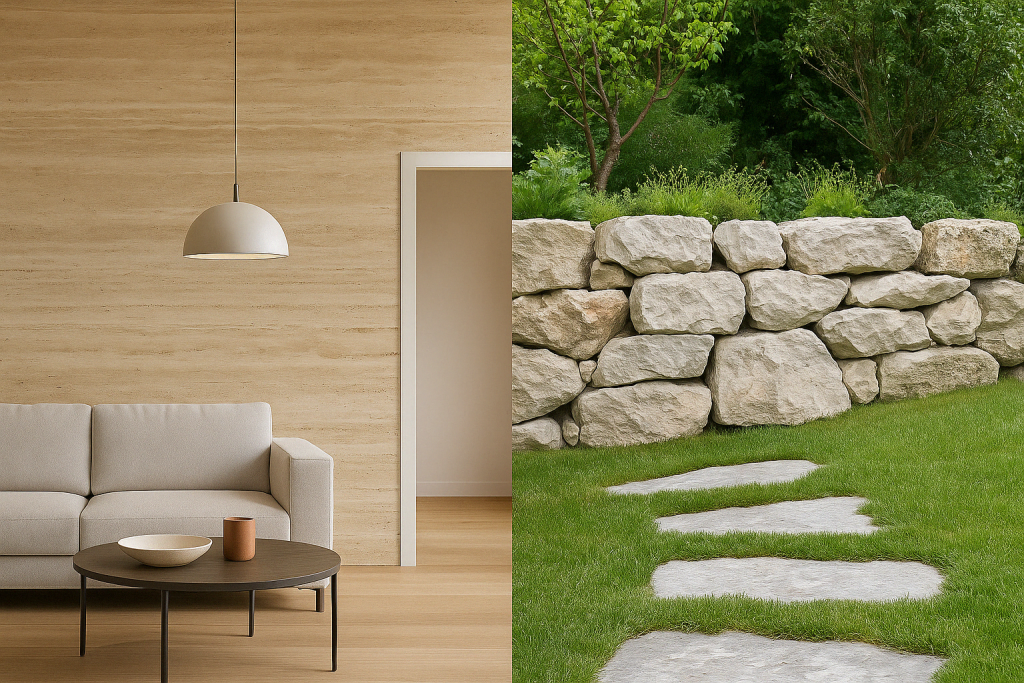
3. Stone at the Heart of Contemporary Design
In recent decades, natural stone has made its way into the most intimate living spaces. It no longer symbolizes only grandeur—it now embodies elegance, tranquility, and connection to nature.
Contemporary architects incorporate stone into minimalist, sustainable, and high-end projects. Examples of today’s applications include:
- A beige travertine accent wall in a serene living room
- A dramatic quartzite kitchen island
- A floating staircase made from raw granite
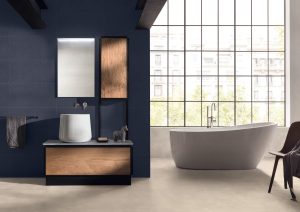
- Spa-inspired bathrooms with honed stone, wood, and brass accents
Natural stone is important in landscape design. It is used for dry stone walls, stepping stones, and limestone pool edges. These features show how versatile natural stone can be. Whether raw or refined, it suits both rustic and modern environments.
Thanks to modern tools like CNC machining and waterjet cutting, stone can fit bold design projects. It still keeps its natural mineral look.
4. A Sustainable, Eco-Conscious, and Responsible Choice
Opting for natural stone is also an eco-responsible decision. Unlike many composite materials, stone requires minimal industrial processing. Its extraction, cutting, and installation consume less energy than manufacturing engineered alternatives.
Stone offers numerous ecological benefits:
- Durable: a properly installed stone slab can last for generations.
- Repairable and recyclable, it allows for repurposing across various applications.
- Ages gracefully, often becoming more beautiful over time.
- Free of volatile organic compounds (VOCs), making it safe for indoor use.
Locally or regionally sourced stones often carry a better carbon footprint, especially when replacing imported or synthetic products.
Natural stone is also ideal for sustainable renovation. It is important for historic preservation projects. It also works well with new LEED or HQE-certified buildings. This improves both environmental performance and visual appeal.
5. A Material Full of Meaning for Architects and Designers
Stone is not just functional—it tells a story. It shows a link to the Earth. It seeks material honesty and aims to build with respect for time and place.
As highlighted by ArchDaily, stone is part of a new wave of thoughtful, human-centric architecture. It’s a conscious design choice, favored for its sensory and symbolic power.
Natural stone is a key part of biophilic design. This movement highlights how natural materials help improve human well-being. Stone provides more than just aesthetic appeal—it offers calm, permanence, and a tangible link to nature.
Many architects affirm that a stone wall can transform the atmosphere of a space: it anchors, soothes, and adds a timeless presence. It’s a material that “speaks” to our collective memory.
Timeless natural stone endures because it balances beauty, durability, symbolism, and sustainability. It doesn’t try to imitate—it is. And in today’s search for authenticity, this makes it more relevant than ever.
Choosing natural stone means choosing rooted, vibrant, long-lasting design—deeply human in essence.
Italbec’s Commitment: Honoring the Material Since 1984
At Italbec, we believe in timeless beauty and material authenticity. Since 1984, we have helped architects, designers, and homeowners create projects that show the beauty of stone.
We meticulously source stone from select quarries worldwide and perform custom cutting in our Montreal workshop. This ensures full control over the material’s journey, from origin to final installation.
Our mission is simple: to offer materials that inspire trust, emotion, and durability.
Our team loves mineral design. We are here to help you create custom spaces that are sustainable, inspiring, and long-lasting. We don’t just deliver a product—we offer an experience rooted in tradition and driven by creativity.
Explore our natural stone collection and imagine the future you want to build—with Italbec. Feel free to reach out to us.