
Selecting the right materials for your custom countertop is one of the most influential decisions in designing or renovating a kitchen or bathroom. Countertops are not simply decorative surfaces; they function as structural work zones exposed daily to impact, moisture, temperature fluctuations, and chemical agents. Their ability to withstand this stress depends on mineral composition, density, internal bonding, and manufacturing processes. For homeowners investing in long-term value, understanding how it perform at a structural level is essential. Architectural research published in Stone in Architecture: Properties, Durability explains that the long-term durability of stone surfaces depends heavily on porosity and mineral cohesion. Materials with limited pore networks demonstrate improved resistance to water infiltration and chemical degradation. This scientific framework helps clarify why different materials respond differently to everyday kitchen conditions. Today’s leading options include quartz countertops, natural stone countertops, and sintered stone countertops, each contributing uniquely to performance.
The Structural Science Behind Countertop Materials
When engineers evaluate <materials, they analyze compressive strength, abrasion resistance, porosity, thermal expansion, and susceptibility to microfractures. Distribution directly influences liquid absorption and long-term stability. Lower porosity typically translates into improved stain resistance and mechanical integrity.
Further mineralogical research published in MDPI Minerals highlights how crystalline grain structure affects structural cohesion and wear resistance .These scientific findings clarify why some materials require sealing and careful maintenance, while others remain inherently resistant to moisture and surface damage.
By grounding the selection process in material science, homeowners ensure their chosen materials align with long-term performance expectations rather than temporary design trends.
Quartz Custom Countertops: Engineered Precision and Everyday Practicality
Among contemporary materials, quartz stand out for their engineered consistency. Manufactured by compressing crushed quartz crystals with polymer resins under controlled industrial pressure, quartz achieves high density and minimal porosity. This results in a surface that resists staining, bacterial absorption, and moisture infiltration. It’s great for kitchen countertops. Because quartz countertops are produced in controlled environments, they offer tonal uniformity and subtle patterning that integrates seamlessly into modern countertop design concepts. Designers often favor quartz when continuity and visual harmony are priorities.
A refined example is ItalQuartz Westmount Cream BQ1502
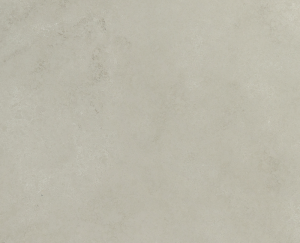
Its warm cream tone and delicate veining create understated elegance while maintaining versatility across cabinetry styles. In busy kitchens, quartz remain one of the most practical materials, offering both resilience and aesthetic stability. From a materials science perspective, quartz surfaces benefit from engineered densification, ensuring predictable mechanical performance. This consistency explains why quartz remains a preferred solution in high-traffic residential environments.
Natural Stone Countertops: Geological Authenticity and Timeless Appeal
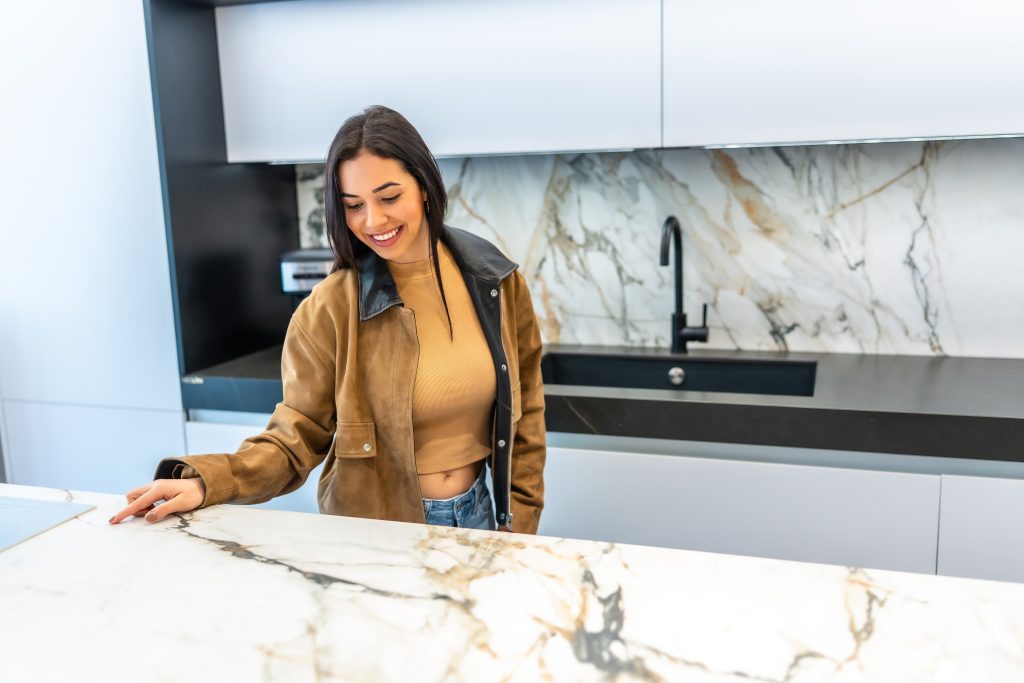
For homeowners who value individuality, theses countertops provide a depth of character that engineered surfaces cannot fully replicate. Granite, marble, and quartzite form over millions of years under geological pressure, producing distinctive mineral compositions and veining patterns. A comprehensive review in MaterialsToday Proceeding analyzes how mineral composition impacts mechanical durability and resistance to stress. Granite’s dense crystalline structure enhances scratch resistance, while marble’s calcite composition delivers luminous veining and refined elegance for your custom countertop and your kitchen countertop.
A striking example is Calacatta Viola
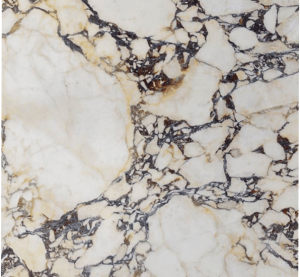
Its dramatic burgundy and grey veining transforms surfaces into architectural focal points. Within bold countertop design, natural stone introduce organic movement that contrasts beautifully with minimalist cabinetry. Although natural stone may require sealing due to inherent porosity, academic research confirms that properly maintained stone retains structural stability for decades. For homeowners seeking authenticity and prestige, natural stone countertops remain among the most respected materials in architectural design.
Â
Sintered Stone Countertops: Advanced Engineering and Extreme Durability in Kitchen coutnertops
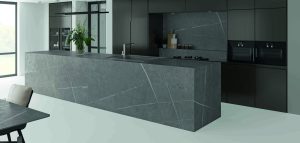
The newest innovation is found in sintered stone countertops, developed through high-temperature mineral compression. The sintering process, detailed by Powder Technology, fuses natural particles at extreme heat, eliminating internal voids and increasing particle bonding strength. That’s great for your custom countertop. Supporting this, research in MDPI Metals demonstrates that reduced porosity significantly enhances mechanical performance and structural stability. This explains why it exhibits exceptional heat resistance, UV stability, and abrasion tolerance.
A premium example is Aeterna Sintered Slabs
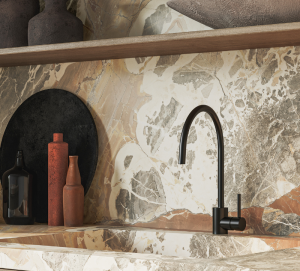
These slabs combine cutting-edge durability with refined aesthetics, making them ideal for both interior and exterior applications in contemporary modern countertop design. Among today’s countertop materials, sintered stone represents a sophisticated balance between natural mineral composition and technological advancement.
Performance Under Real-World Conditions
Beyond laboratory testing, materials must perform under real-world conditions. Kitchens generate fluctuating temperatures from cookware, exposure to acidic foods, and repeated cleaning cycles. In open-concept homes with large windows, UV exposure can affect surface stability. Quartz countertops resist staining from common household substances, while natural stone offer strong compressive strength under weight. Meanwhile, sintered stone demonstrate remarkable resistance to extreme temperature shifts and direct sunlight. Understanding how materials respond in lived environments ensures the surface chosen aligns with the household’s functional demands.
Aesthetic Integration and Spatial Harmony
Beyond performance, countertop materials play a defining role in spatial perception. Light-reflective surfaces can visually expand compact kitchens, while darker natural stones create depth and contrast in open-plan spaces. In modern countertop design, material continuity between islands, backsplashes, and wall cladding enhances architectural coherence.
Countertops as Architectural Focal Points
Quartz often support seamless waterfall edges due to their pattern consistency. Natural stone countertops introduce organic contrast that softens rigid geometry. Sintered stone countertops, because of their structural stability, enable large-format installations with minimal joint visibility. These design considerations influence not only visual impact but also property value, as cohesive surface integration often enhances long-term market appeal. Carefully selecting materials therefore shapes both functionality and emotional atmosphere within the home. The surface becomes more than a work area; it becomes a central architectural element that anchors daily life.
Sustainability and Lifecycle Value
Durability contributes directly to sustainability. High-quality materials reduce the environmental cost of replacement and renovation cycles. Natural stone has demonstrated architectural longevity for centuries. Quartz, because of their low porosity, minimize chemical treatments. Sintered stone provide structural density that supports extended lifespan even under harsh environmental conditions. Selecting premium materials ensures that design investments remain relevant and resilient over time.
Investment Value and Long-Term Design Impact notably for a kitchen countertop.
Beyond daily functionality, materials influence long-term property value. Real estate professionals consistently note that kitchens and bathrooms play a decisive role in resale perception. High-quality quartz, distinctive natural stone, or advanced sintered stone signal durability and thoughtful design investment. In refined modern custom countertop design, material selection communicates permanence and quality, reassuring future buyers that the space was built with intention rather than short-term trends in mind.
Italbec: Craftsmanship Beyond Countertop Materials
Choosing exceptional materials is only part of the process. Fabrication precision determines long-term success. At Italbec, every slab is measured, cut, polished, and installed in-house using advanced technology and skilled craftsmanship. Beyond slabs, Italbec’s Featured Collections—including Canyon Blanco, Portobello Intarsi, Melody Olive, and Materia—allow seamless coordination between countertops, tiles, and architectural finishes. Founded in 1984 by six Italian immigrants from the construction industry, Italbec continues to blend European craftsmanship with technical innovation. From consultation to final installation, Italbec ensures that your chosen materials are executed with precision, elegance, and durability. Ready to transform your space, have an amazing kitchen countertop? Book a consultation and explore surfaces designed to elevate your home for decades to come.