
In contemporary architecture and design, materials are no longer used solely to cover surfaces. They now play a crucial role in defining the visual identity of a space and actively contribute to the design process. Architects and designers increasingly seek materials capable of combining aesthetics, durability, and versatility. Terrazzo tiles are an elegant way to make a room stand out, making it a particularly compelling choice to meet these expectations.
What is Terrazzo Tile?
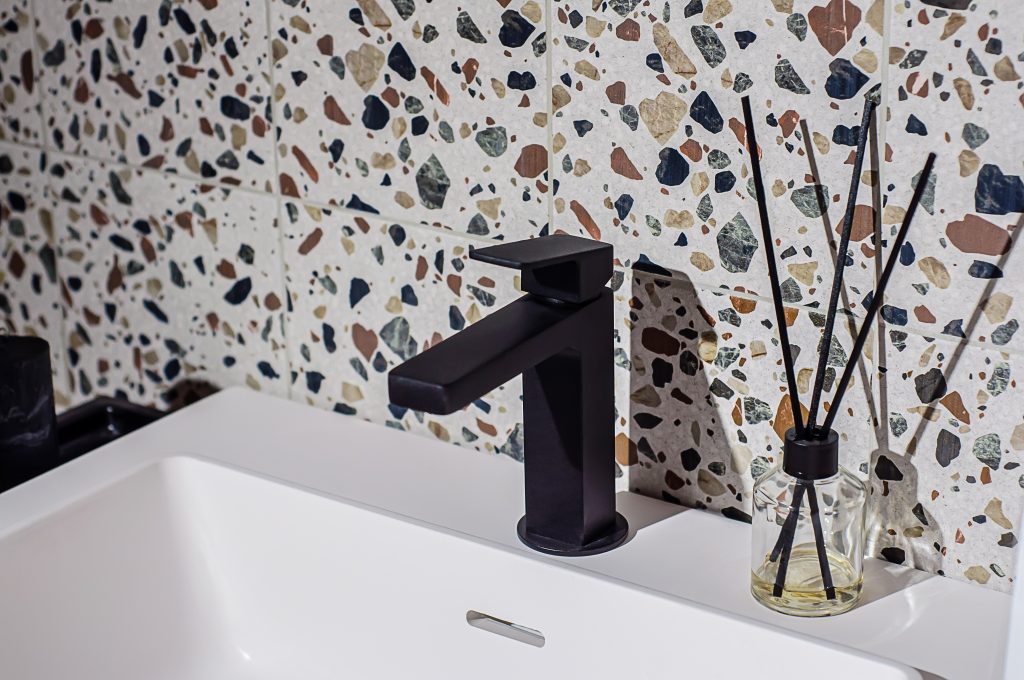
Terrazzo tile is a composite material made by embedding chips of marble, quartz, granite, glass, or other aggregates into a binder such as cement or epoxy resin. Once cured, the surface is ground and polished to create a smooth, durable finish. The finished look is a beautifully textured and elegant tile that adds distinctive visual interest to your designed space.
A Historical Material Reimagined for a Modern Look
Terrazzo has a rich history dating back several centuries. First used in Italy, this material originally served as an economical solution for reusing marble fragments. Craftsmen would embed pieces of stone into a cement base to create a durable and decorative surface. Over time, terrazzo became widely used in public architecture such as schools, airports, and transportation hubs. Today, it is experiencing a strong resurgence in contemporary architectural projects.
The Evolution of Terrazzo in Contemporary Design
Over the past decade, terrazzo has re-emerged as one of the most celebrated materials in interior design and architecture. Designers appreciate its ability to adapt to various styles, including minimalist, industrial, and contemporary interiors. With modern manufacturing techniques, terrazzo surfaces can now feature diverse color palettes and aggregate compositions. This flexibility allows architects to design highly personalized environments while maintaining the material’s structural and aesthetic benefits. As a result, terrazzo continues to gain popularity among architects seeking materials that combine artistic expression with long-term performance.
Between Tradition and Innovation
As explained by ArchDaily in its analysis of the revival of the terrazzo tile, the material successfully combines traditional craftsmanship with modern manufacturing technology. Here are some examples of how.
Traditional Craftsmanship: A Durable Material for Modern Architecture
Durability has become a fundamental criterion when selecting construction materials. Architects increasingly prioritize solutions capable of withstanding decades of use while minimizing environmental impact. Terrazzo stands out because of its exceptional longevity and its ability to incorporate recycled aggregates into its composition. It’s a great choice as bathroom tiles.
Innovative Materials: Longevity and Environmental Responsibility
According to another analysis published by ArchDaily, terrazzo floors can last for generations with minimal maintenance. This durability significantly reduces the need for replacement materials and contributes to more sustainable construction practices.
Innovation and Modern Manufacturing
Modern manufacturing technologies have significantly transformed terrazzo production. Today, manufacturers can produce larger tiles with greater precision and a wider variety of textures and colour compositions. These advancements allow architects and designers to explore new creative possibilities when designing surfaces.
Using Large-Format Terrazzo Tiles for More Impact
With the terrazzo tiles’ distinctive texture and nearly endless design possibilities it allows designers to create surfaces that are both functional and artistic. When terrazzo tiles are used as large-format, it becomes even more expressive and transforms into a true architectural element capable of structuring the overall identity of an interior project.
Visual Continuity and Minimalist Aesthetics
One of the defining trends in contemporary design is the pursuit of visually fluid and uncluttered spaces. Designers aim to minimize visual interruptions to highlight the proportions and volumes of a building. Tiles play a key role in achieving this objective because they significantly reduce the number of visible grout lines. The result is a cleaner and more elegant surface with high impact.
A study published on ResearchGate explains that oversized tiles can enhance spatial perception while emphasizing the natural textures of materials and maintaining visual continuity across surfaces , creating the highly sought-after minimalist look.
The Visual Impact of Large-Format Terrazzo Tile
In large architectural environments, surfaces play a decisive role in shaping the perception of design. Terrazzo offers an impactful yet distinctive aesthetic to any space. Here are a few examples of how it can offer a stunning impact for visitors.
Expanding Spaces Through Continuous Surfaces
Spatial perception is a key element in interior design. Continuous surfaces can make rooms appear larger and more open. Large-format terrazzo tiles contribute to this effect by reducing visual interruptions caused by grout lines. They can be great as bathroom tiles.
The Spatial Effect of Large Format Tiles
According to an analysis published by UrbanMatter, large tiles help enhance the perception of space in both residential and commercial environments. When combined with terrazzo, they create elegant surfaces that reinforce the architectural coherence of a project while emphasizing the natural patterns of the material.
Expressing Design Through Surface
This combination creates surfaces capable of transforming an ordinary space into a distinctive architectural environment. Terrazzo therefore becomes more than just a material—it becomes a design signature that reflects the creativity and vision of architects and designers.
Large Format Tiles as an Design Signature
In many contemporary projects, surfaces themselves become central design elements. Materials are used to create a distinctive visual identity and enhance the spatial experience of users. Large-format tiles allow architects to emphasize the natural patterns of terrazzo while maintaining a refined and minimalist appearance.
Applications of Terrazzo Tiles in Interior Design
Terrazzo is no longer limited to flooring applications. Architects and designers now use it across a variety of design elements, including walls, countertops, and staircases. In bathrooms, tiles like large format porcelain tiles can create bold and modern surfaces that immediately attract attention.
Strong Impactful Elegance for a Commercial Setting
Hotels, museums, and commercial spaces often rely on this material to convey a sense of sophistication and durability. The stone aggregates produce subtle patterns that add visual richness without overwhelming the overall design, allowing designers to maintain a balance between expressive materials and refined spatial composition.
From Flooring to Decorative Walls
The natural terrazzo pattern adds artistic depth while maintaining a balanced aesthetic. In kitchens and commercial interiors, large-format porcelain tiles inspired by terrazzo can also be used to achieve a similar visual effect while offering strong durability. This versatility allows architects to integrate terrazzo-inspired surfaces throughout multiple areas of a project while preserving visual harmony. Large format porcelain tiles are great for that.
A Look that Transcends Past Emerging Trends
Classical terrazzo look is rooted in timeless elegance, quality craftsmanship, and personal authenticity rather than fleeting fads. An article published by IMM Cologne highlights the evolution of terrazzo through these developments, ensuring that terrazzo continues to adapt to the aesthetic and technical demands of contemporary architecture and design.
The Agglotech Line at Italbec
For architects and designers looking to integrate terrazzo into their projects, the Agglotech Terrazzo Tiles – Architectural Terrazzo Line offers a compelling solution.
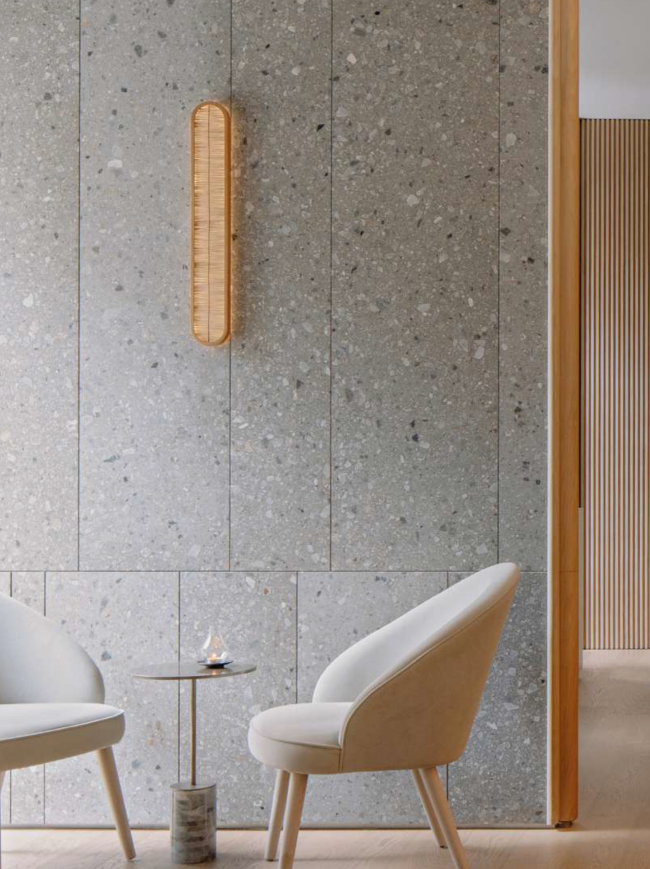
Available through Italbec: this collection highlights the timeless beauty and durability of terrazzo while meeting the technical requirements of contemporary architecture. Agglotech surfaces offer distinctive textures and exceptional resilience, making them ideal for both residential and commercial environments. Thanks to their refined manufacturing quality and architectural scale, these tiles help transform interiors into elegant, durable spaces perfectly aligned with modern design trends. For architects and designers seeking high-quality materials and expert guidance for their projects, Italbec offers a wide range of architectural surfaces designed to bring contemporary spaces to life.