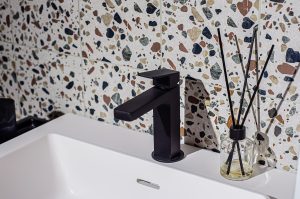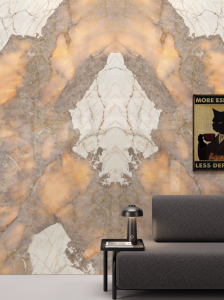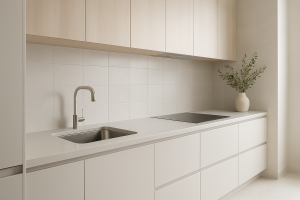


Choosing the right wall tile material is crucial in interior design. Between natural stone walls and porcelain wall tiles, homeowners and designers face a meaningful decision balancing aesthetic preferences, durability, maintenance, and environmental impact. This in-depth wall tile material comparison will help you decide which surface best suits your space.
Aesthetic and Functional Choices
Wall tiles are not just decorative elements—they play a functional role in moisture resistance, insulation, and the overall ambiance of a room. From rustic stone textures to sleek porcelain finishes, wall coverings can set the tone for your interior.
Both natural stone and porcelain tiles are widely used in contemporary and classic spaces. Understanding their unique qualities allows for a more informed choice depending on your project goals.
Natural Stone: Advantages and Considerations
Visual and Tactile Qualities
Natural stone offers an unparalleled sense of authenticity. Materials such as marble, granite, slate, and travertine present textures and color variations formed by nature over millennia. Each piece is one-of-a-kind, making it ideal for luxurious or organic-style interiors. The tactile warmth and raw finish of natural stone also appeal to those seeking a biophilic design approach.
Durability and Upkeep
Stone is incredibly durable when sealed properly. It resists heat and can last for decades. However, due to its porosity, stone must be regularly sealed to avoid staining or water infiltration—especially in kitchens and bathrooms. Surface wear can also add character over time, giving the material a patina that enhances its natural charm.
According to research published in Sustainable Construction Materials, natural stone is praised for its strength, versatility, and longevity in building applications
Installation and Cost
Stone is heavier and more complex to install. Labor costs tend to be higher, and the stone itself can be pricey depending on rarity and finish. Installation often requires experienced masons, especially when working with irregular or veined stones.
Porcelain: Strengths and Use Cases
Visual and Tactile Qualities
Porcelain tiles have evolved to imitate almost any texture—including stone, concrete, and wood—while offering consistent color and finish. This makes them ideal for minimalistic, modern designs requiring uniformity. They are also available in polished, matte, or textured finishes for diverse applications.
Durability and Upkeep
Porcelain is non-porous and highly resistant to water, stains, and scratches. It’s a low-maintenance option, suitable for wet zones like bathrooms and high-traffic areas. A 2017 study in The International Journal of Life Cycle Assessment confirms porcelain’s long life span and durability【https://link.springer.com/article/10.1007/s11367-017-1377-9】.
Porcelain is also less likely to harbor bacteria or mold, making it ideal for hygienic spaces.
Installation and Cost
Porcelain is lighter and easier to install than stone. It typically costs less in both materials and labor, though high-end porcelain tiles can rival stone in price. Some large-format porcelain panels may require professional tools for cutting and handling, but most standard tiles are DIY-friendly.
What to Consider: Location, Budget, Style
Location
- High-moisture zones (bathrooms, kitchens): Porcelain’s low water absorption makes it ideal.
- Living rooms, fireplaces, or accent walls: Natural stone creates a dramatic and warm effect.
- Commercial settings: Porcelain is often chosen for its slip resistance and wear tolerance.
Budget
- Natural stone is often more expensive and comes with added maintenance costs.
- Porcelain is generally more affordable, especially when covering large surfaces.
Style
- Classic, rustic, or biophilic interiors: Opt for natural stone.
- Contemporary, minimal, or urban spaces: Porcelain offers sleeker finishes and patterns.
Porcelain also allows for bolder graphic effects, including geometric or industrial styles that are difficult to achieve with natural stone.
Environmental and Maintenance Aspects
Sustainability and Origin
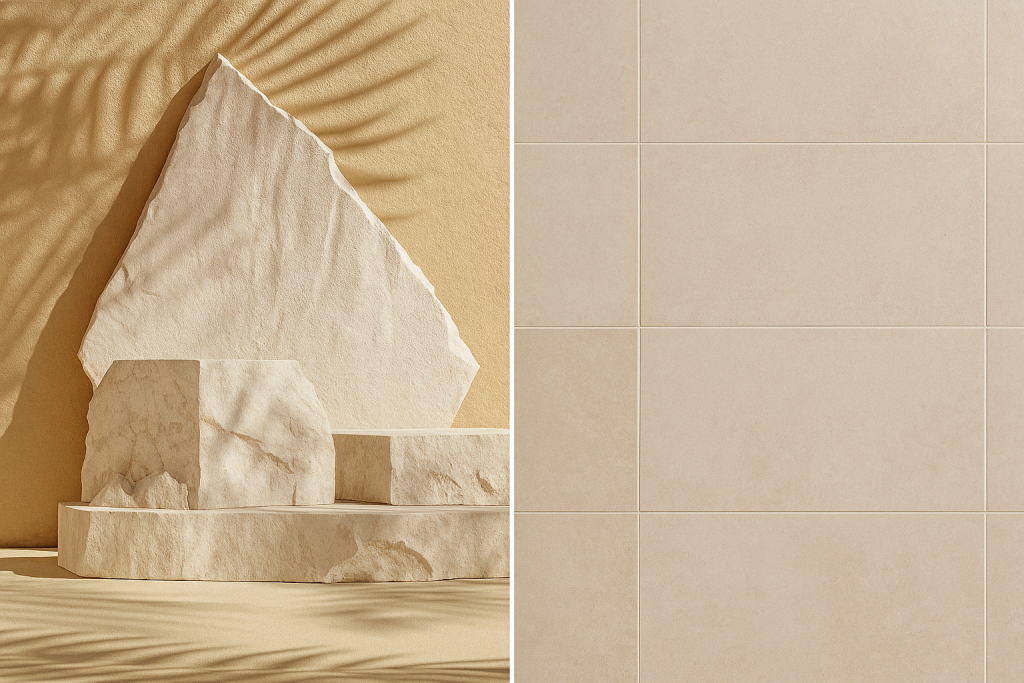
Natural stone is a natural resource with minimal processing but may involve high transportation energy depending on the quarry location. According to environmental assessments from CORE and ScienceDirect, natural materials like stone often have lower embodied energy compared to man-made alternatives.
Porcelain manufacturing, although energy-intensive, benefits from improved industrial processes that extend product longevity and reduce waste. When responsibly sourced, porcelain can still be a sustainable choice.
Some porcelain manufacturers now incorporate recycled content or use closed-loop water systems, which reduce environmental impact further.
Maintenance
- Stone: Requires sealing every 6–12 months, pH-neutral cleaners, and occasional resealing after deep cleaning.
- Porcelain: Only needs regular cleaning with mild soap and water. It is also more resistant to harsh cleaning agents, although gentle care is still recommended to preserve finish.
Lifespan and Repairability
Natural stone, when properly maintained, can last over 100 years. It ages gracefully, developing a natural patina. Some types of stone are easier to restore than others, with minor etches or scratches polishable by professionals.
Porcelain maintains its appearance longer without patina or discoloration. However, cracked or chipped tiles can be difficult to repair without replacing the tile. Color and pattern matching may also pose a challenge if the tile line is discontinued.
Choosing between natural stone walls and porcelain wall tiles depends on your design priorities and lifestyle.
Choose Natural Stone If You:
- Appreciate natural variation and a sense of luxury.
- Are designing a focal wall or aiming for a high-end, elegant interior.
- Are comfortable with additional maintenance to preserve the material’s beauty.
- Want a timeless finish that adds long-term value to your space.
Choose Porcelain If You:
- Need a durable, low-maintenance surface that withstands daily wear.
- Prefer a modern, uniform aesthetic with clean lines and consistency.
- Are working with a tight budget but still want an attractive finish.
- Require moisture and stain resistance, making it ideal for kitchens, bathrooms, and outdoor areas.
This wall tile material comparison highlights the key strengths of both porcelain and natural stone. No one solution is universally better—it’s about what fits your environment and design goals.
If you’re still unsure, you might consider using both: natural stone for statement areas and porcelain for functional zones.
At Italbec, we proudly offer a curated range of high-quality interior design materials, including both porcelain wall tiles and premium natural stone walls. Whether you’re creating a tranquil spa bathroom or a bold living room feature wall, our experts are here to help you choose the ideal surface.
Book a consultation today to discover how Italbec can bring your vision to life with elegance, durability, and unmatched service.