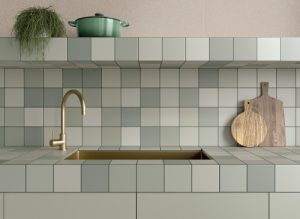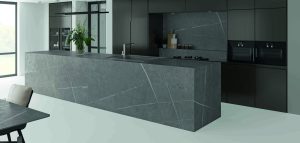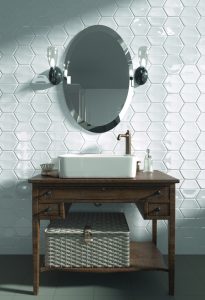


In the world of interior design, walls have long ceased to be mere utilitarian surfaces. Today, they serve as a key element in architectural storytelling. Among the most popular solutions, textured wall tiles stand out for their ability to add depth, visually structure a space, and enhance the sensory experience of an environment. By playing with light, shadow, and volume, they transform walls into living features.
How Texture Shapes Our Perception of Space
Texture plays a central role in how we perceive and feel a space. It influences our sense of comfort, warmth, and spatial perception. In smaller rooms, certain textures—whether reflective, deep, or irregular—can alter how spacious or structured a space appears.
On a sensory level, texture is often one of the first things we detect—through sight or touch. It strengthens our emotional connection to our surroundings, activates sensory memory, and enriches our overall spatial experience.
The Contemporary Appeal of Textured Tiles
Textured tiles bring graphic interest and movement to interior design. They come in a wide range of materials and formats, including ceramic, porcelain, natural stone, and composites. Whether soft and undulating or bold and geometric, they add rhythm and energy to otherwise plain surfaces.
Where to Use Them:
- Bathroom: In a shower or as a feature wall, textures create a relaxing, spa-like ambiance.
- Kitchen: A textured backsplash is both practical and eye-catching.
- Living Room: Behind a TV or fireplace, they add personality and warmth.
- Entrance: A textured wall in the entryway offers an immediate “wow” factor.
Texture is one of the most tangible qualities of a surface. Before we even notice the color or shape, it’s often the grain, the material, and the relief that capture our attention. These tactile elements trigger an emotional response and add a sensory layer to the environment, enhancing our connection to the space and reinforcing its character.
Material Language: Durability Meets Design
Beyond aesthetics, textured wall tiles embody durability. Materials such as porcelain and ceramic stoneware are known for their strength, ease of maintenance, and resistance to moisture. They also align with a more sustainable, long-term approach to design.
In a visual context, texture helps designers communicate emotion, structure spatial flow, and create subtle points of reference within a room. When used intentionally, it ties form and function together into a cohesive, sensory-rich environment.
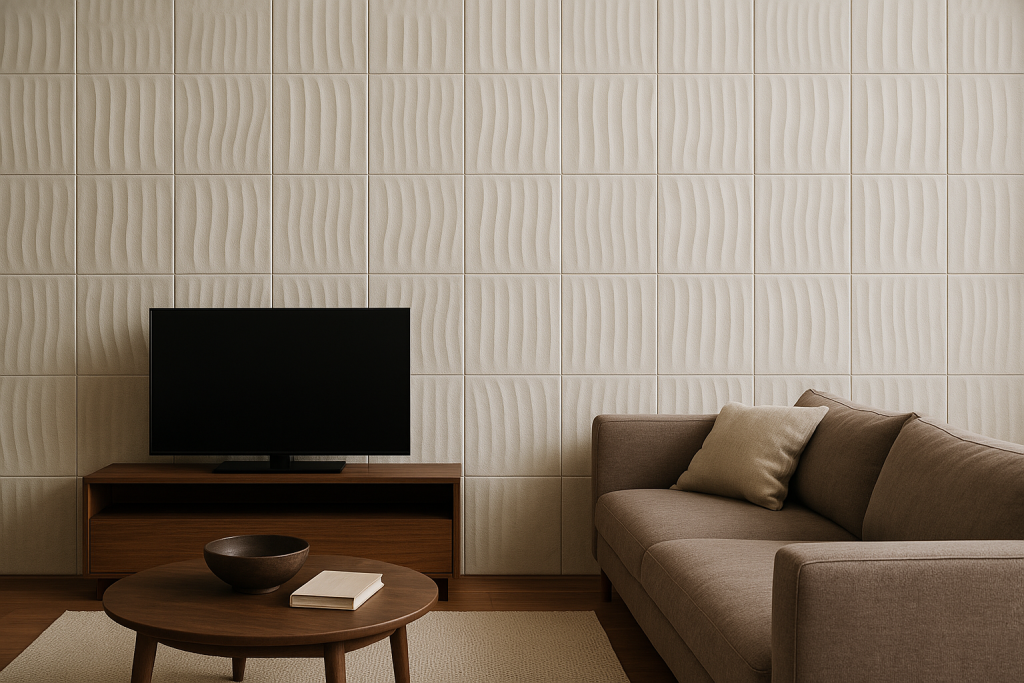
Current Trends in Textured Wall Coverings
- Structured Minimalism: Neutral tones paired with geometric or nature-inspired reliefs.
- Earthy Tones: Warm hues like ochre, beige, and clay create a cozy, grounded atmosphere.
- Large-Format Tiles: Fewer joints, cleaner lines, and bold architectural presence.
- Mix of Matte & Glossy: The interplay of smooth and textured surfaces creates contrast and sophistication.
These trends reflect a growing desire for personalization and natural warmth in both residential and commercial interiors.
Installation and Maintenance Tips
Installing textured tiles requires precision, especially when it comes to leveling and alignment, as uneven relief can accentuate flaws. It is advisable to:
- Start with a perfectly smooth and even wall;
- Use leveling spacers to ensure consistent placement;
- Choose discreet grout lines to preserve the texture’s visual impact;
- Incorporate accent lighting to highlight the relief.
For cleaning, textured ceramic tiles can be maintained using gentle products and a soft brush—especially in splash zones or areas prone to dust.
A Rich Sensory Experience
Texture in the home goes far beyond style. It fosters a deeper sensory relationship between the inhabitant and their environment. A textured wall can evoke nature, channel a Mediterranean or industrial vibe, or support a biophilic design approach by reconnecting us to natural elements.
Whether in residential or commercial spaces, these tactile surfaces help define ambiance—whether cozy, elegant, or energizing.
In Conclusion: Texture as a Tool for Meaning and Style
Textured wall tiles offer a refined and enduring solution for modern interiors. They enhance a room visually, subtly structure its layout, and establish a unique sensory connection. With the perfect blend of design, durability, and innovation, textured tiles are a smart choice for those seeking to elevate their living or working spaces with intention and style.
Our Commitment at Italbec
At Italbec, we are passionate about materials, form, and the emotional resonance that surfaces bring to a space. Since 1984, we’ve been supporting designers, architects, and homeowners by providing high-quality, long-lasting, and inspiring products.
Our curated selection of textured tiles—including standout collections like Melody, Micra, and Canyon—offers expressive and sophisticated design possibilities. Each tile is selected for its aesthetic appeal, performance, and adaptability to today’s interior design trends.
Our Promise:
To bring your vision to life. From consultation to final installation, our expert team is here to guide you every step of the way.
📅 Book a consultation with an Italbec design advisor and discover how textures can redefine your space.