
Are you exploring the best countertop materials for your home renovation? Whether you’re redoing your kitchen or bathroom, sintered stone countertops are becoming a top choice for those seeking premium design, performance, and sustainability. Blending the best of natural stone aesthetics with modern engineering, they rival quartz, granite, and porcelain countertops—and may even outperform them.
In this article, we’ll explain what sintered stone is, outline the pros and cons of using it in your space, break down the cost of sintered stone countertops, and help you determine if this engineered stone is the right investment for your project.
What Is Sintered Stone?
If you’re wondering what is sintered stone, it’s a next-generation surface made from 100% natural minerals such as quartz, feldspar, silica, and clay. Through a precise manufacturing process that uses high pressure and extreme heat, these minerals are compacted to replicate how natural stone is formed underground—except in just a few hours.
The result is a highly durable and non-porous material that’s ideal for countertops, flooring, wall cladding, and outdoor use. Unlike quartz, it contains no resins or synthetic binders, making it environmentally friendly and chemically inert.
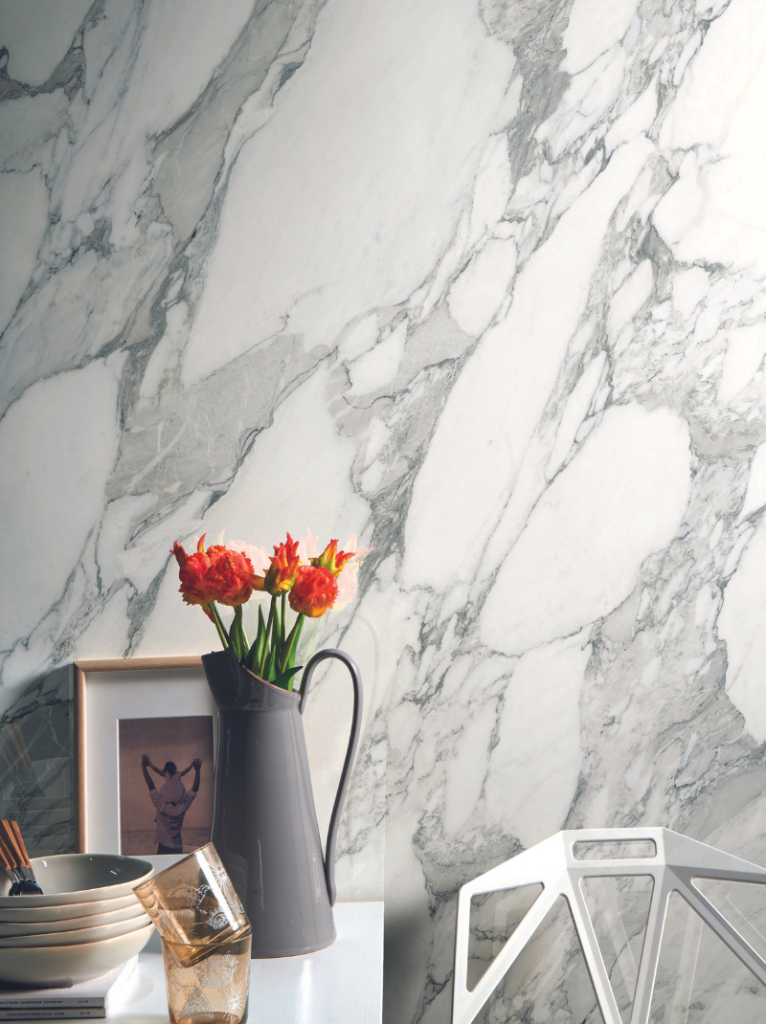
Model shown:Level Arabescato Corchia
Pros of Sintered Stone Countertops
1. Extreme Durability
Sintered stone is highly durable. It’s heat resistant, impact resistant, and stands up to scratches, stains, and UV rays. Whether you’re chopping directly on the counter or placing hot pans straight from the stove, the surface will maintain its integrity.
That makes sintered stone countertops perfect for kitchen countertops, but also ideal for bathroom vanities, commercial spaces, or outdoor applications.
2. Stain Resistant and Hygienic
The surface is completely non-porous, which means it resists stains, bacteria, and moisture. You won’t need to apply a sealer or worry about liquids penetrating the material. A mild detergent and a soft cloth are all that’s required to clean it.
3. Elegant and Versatile Design
Thanks to digital technology, sintered stone can imitate the appearance of granite, marble, concrete, or even wood. It comes in a wide variety of colors, textures, and finishes. Whether your style is industrial, classic, or ultra-modern, there’s a match for you.
Large-format slabs help minimize joints, creating a seamless, luxurious look. Some manufacturers even offer customized colors and patterns for unique design statements.
4. Eco-Friendly
As a material, sintered stone is fully recyclable and made without harmful chemicals. Its long life span reduces the need for replacements and contributes to sustainable building practices. This makes it a smart choice for green homes and LEED-certified construction.
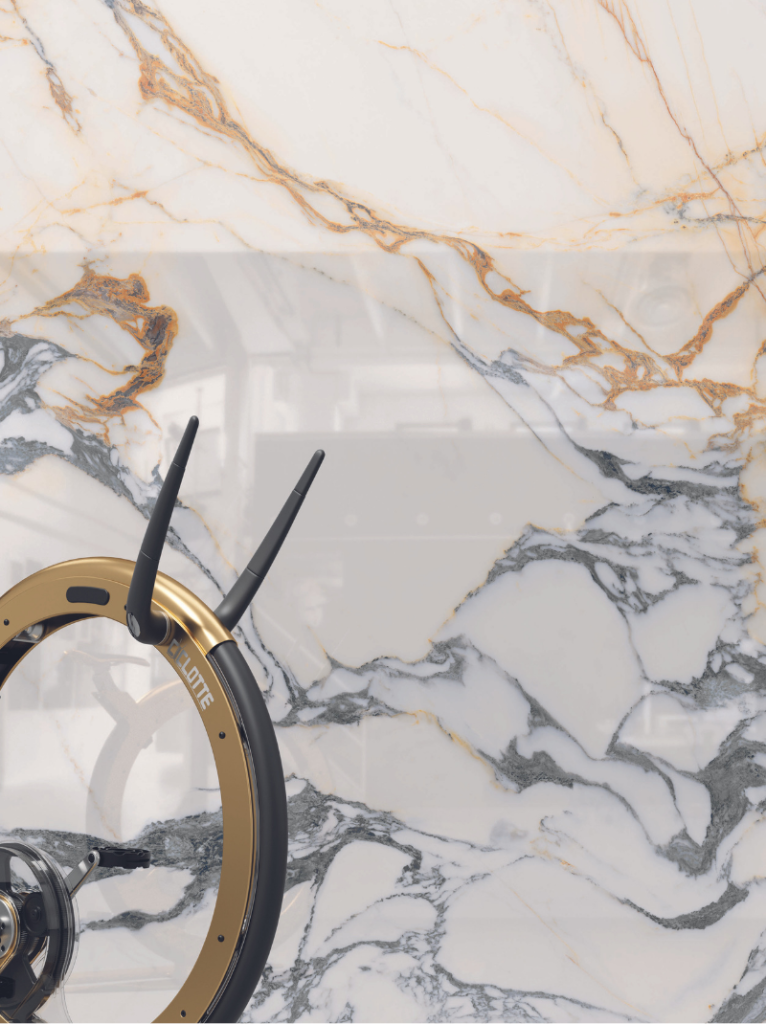
Model shown:Level Marmi Calacatta Paonazzo
Cons of Sintered Stone Countertops
1. Requires Expert Installation
Because of its hardness and weight, sintered stone slabs must be cut using waterjets or diamond blades. Most products are sold by the square foot, and the complexity of your layout can affect the final cost. Professional installers are essential to prevent cracks or breakage, especially around sink cutouts or overhangs.
2. Difficult to Repair
One of the main cons of sintered stone is its limited reparability. If a corner chips or the slab is damaged during use, repairing it can be complicated or even impossible without replacing the entire surface. This is something to keep in mind, especially in high-traffic kitchens or busy family spaces.
Cost of Sintered Stone Countertops
The cost of sintered stone countertops typically falls on the higher end of the spectrum. Factors like slab thickness, design complexity, and finish will influence the final budget. It’s generally more expensive than laminate or butcher block, but in line with quartz, porcelain countertops, or luxury natural stone.
To get a clear sense of the costs of sintered stone, consider the number of square feet, type of edge finish, and whether you’re including a backsplash or custom sink cutout.
Where Can You Use Sintered Stone?
Thanks to its versatility and durability, sintered stone countertops can be used in:
- Kitchen countertops and islands
- Bathroom vanities and shower walls
- Furniture surfaces (tables, cabinetry, floating shelves)
- Commercial counters and high-traffic zones
- Outdoor kitchens and patios (UV and weather resistant)
Its performance makes it ideal for both residential and commercial projects that demand style, strength, and low maintenance.
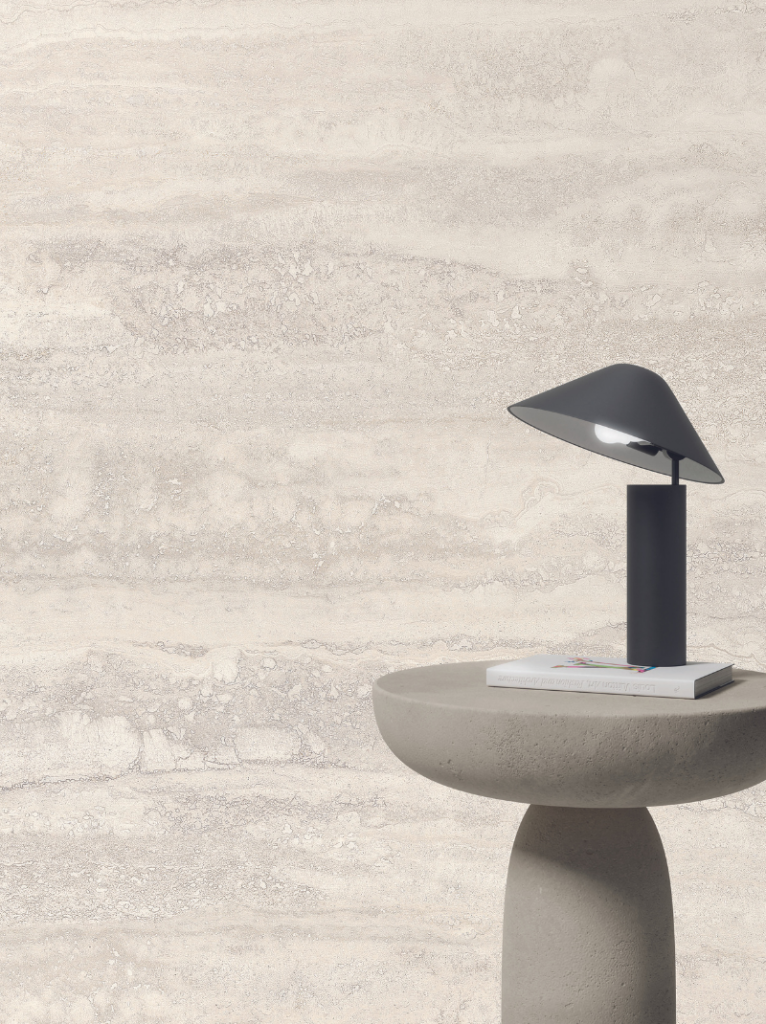
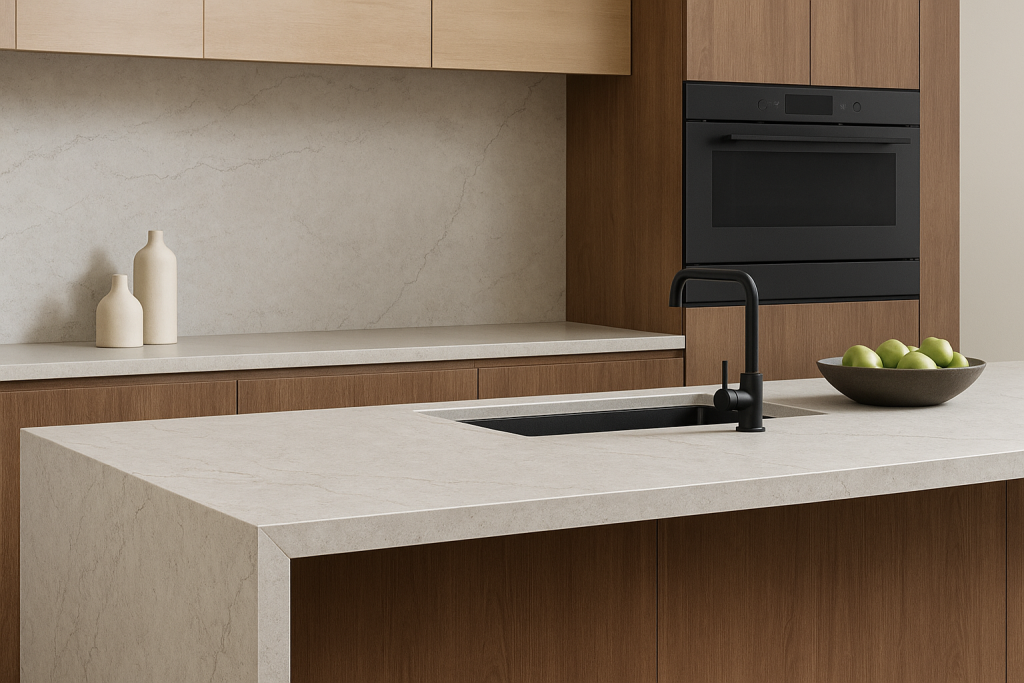
Model shown:Level Travertino Vein White
Final Thoughts
If you’re looking for a surface that’s beautiful, long-lasting, and built for modern life, sintered stone countertops are a smart choice. From heat resistant properties and stain resistance to design flexibility and eco-conscious manufacturing, this engineered stone truly delivers.
Before making your decision, evaluate the cost of sintered stone countertops based on your space, design goals, and installation needs. For homeowners and professionals alike, it’s an investment in both function and aesthetics.
Partner with Italbec
For over 40 years, Italbec has specialized in premium surfaces—including a curated collection of sintered stone countertops available in various finishes and colors. Whether you’re designing a custom kitchen, bathroom, or outdoor living space, Italbec combines expert advice, professional installation, and top-tier materials.
Transform your vision into reality with sintered stone that’s as resilient as it is refined.
Explore Italbec’s sintered stone collections and bring durability and design together in your next project.